
Rosa Vogel · 9 September 2026
Navigating Algorithmic Visibility Shifts in Emerging Platform Ecosystems
Algorithmic visibility shifts occur when platform operators adjust ranking systems that determine how content reaches users, and observers note these adjustments reshape distribution patterns across new digital spaces. Emerging platforms such as Threads, Bluesky, and decentralized networks introduce fresh variables because their recommendation engines prioritize different signals than established systems. Data from industry reports shows that visibility changes often follow updates to machine learning models that weigh engagement velocity, user retention, and content authenticity metrics simultaneously.
Core Mechanics Behind Visibility Adjustments
Platform teams modify ranking algorithms to balance growth targets with regulatory compliance, and researchers document how these modifications alter reach for creators and brands. Signals like dwell time, share velocity, and cross-platform mentions feed into scoring systems that decide feed placement. One study from academic researchers at European universities revealed that small tweaks to weighting factors produced measurable drops in impressions for certain content categories within days of deployment. Observers track these patterns through publicly available analytics dashboards that many platforms now expose to verified accounts.
Emerging ecosystems differ because they often start with lighter moderation layers and then layer on complexity as user bases scale. This progression means visibility rules evolve rapidly during growth phases, and those who monitor changelog announcements catch early indicators of upcoming adjustments. Figures from platform transparency reports indicate that recommendation models receive updates at intervals ranging from weeks to months depending on traffic volume and external pressures.
Regional Regulatory Influences on Platform Design
Authorities in different regions impose requirements that affect how algorithms surface content, and data indicates these rules create divergent visibility landscapes. The European Union's Digital Services Act requires platforms to disclose certain ranking parameters, while Australia's eSafety Commissioner guidelines emphasize harm reduction signals in recommendation outputs. Canada's CRTC has examined algorithmic transparency in broadcasting contexts, and reports from these bodies show platforms adapting their systems to meet local standards without disrupting global operations. Such adaptations produce regional differences in how the same piece of content performs across borders.
Impact on Content Creators and Brands
Creators who rely on consistent reach report needing to diversify posting strategies as visibility windows narrow or expand unpredictably. Studies from research institutions indicate that accounts maintaining steady posting cadences combined with authentic interaction patterns retain better baseline distribution even after major updates. Brands that integrate platform-native features such as polls, collaborative posts, and live sessions often see sustained visibility because algorithms reward multi-format engagement. People who analyze performance data across multiple emerging platforms discover that cross-posting identical content rarely optimizes reach, since each system applies distinct filtering criteria.
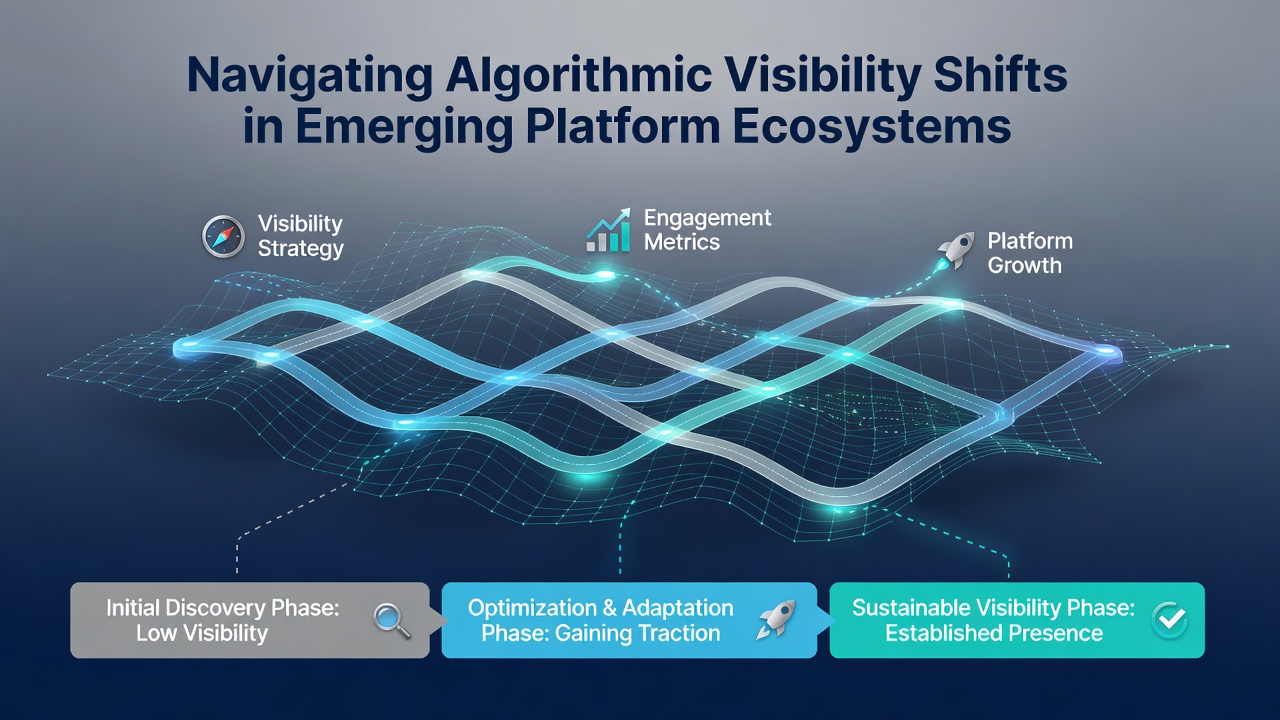
September 2026 marks a period when several emerging platforms plan infrastructure migrations that may coincide with broader algorithmic recalibrations. Documentation from developer forums suggests these migrations could reset certain engagement baselines, forcing creators to rebuild momentum through renewed testing of content formats. Analysts tracking historical patterns note that similar transitions in prior years produced temporary visibility dips followed by stabilization once new models trained on updated user behavior data.
Strategies Observed in Practice
Teams that maintain internal testing protocols across multiple accounts gather comparative data on how visibility responds to variables like posting time, caption length, and media type. Research indicates that iterative experimentation yields more reliable insights than reliance on single-platform best practices. Industry organizations such as the Interactive Advertising Bureau publish frameworks that outline measurement approaches for algorithmic performance, and these resources help standardize tracking methods. Observers find that combining first-party analytics with third-party benchmarking tools provides a fuller picture of distribution trends.
Decentralized platforms introduce additional layers because governance occurs through community proposals rather than centralized teams, and this structure leads to slower but sometimes more transparent visibility rule changes. Participants who follow governance forums stay informed about proposed modifications before they reach production environments. Academic papers examining these systems highlight how consensus mechanisms influence the pace at which ranking criteria evolve compared with traditional corporate platforms.
Conclusion
Navigating algorithmic visibility shifts requires ongoing attention to platform documentation, regulatory developments, and performance data across regions. Evidence from multiple sources shows that systematic monitoring combined with adaptive content approaches helps maintain distribution in evolving ecosystems. As platforms continue to mature through 2026 and beyond, those who track technical and policy signals position themselves to respond effectively when ranking systems change.