Bianca Braun · 23 September 2026
Decoding Engagement Thresholds That Determine Content Longevity in Niche Digital Ecosystems
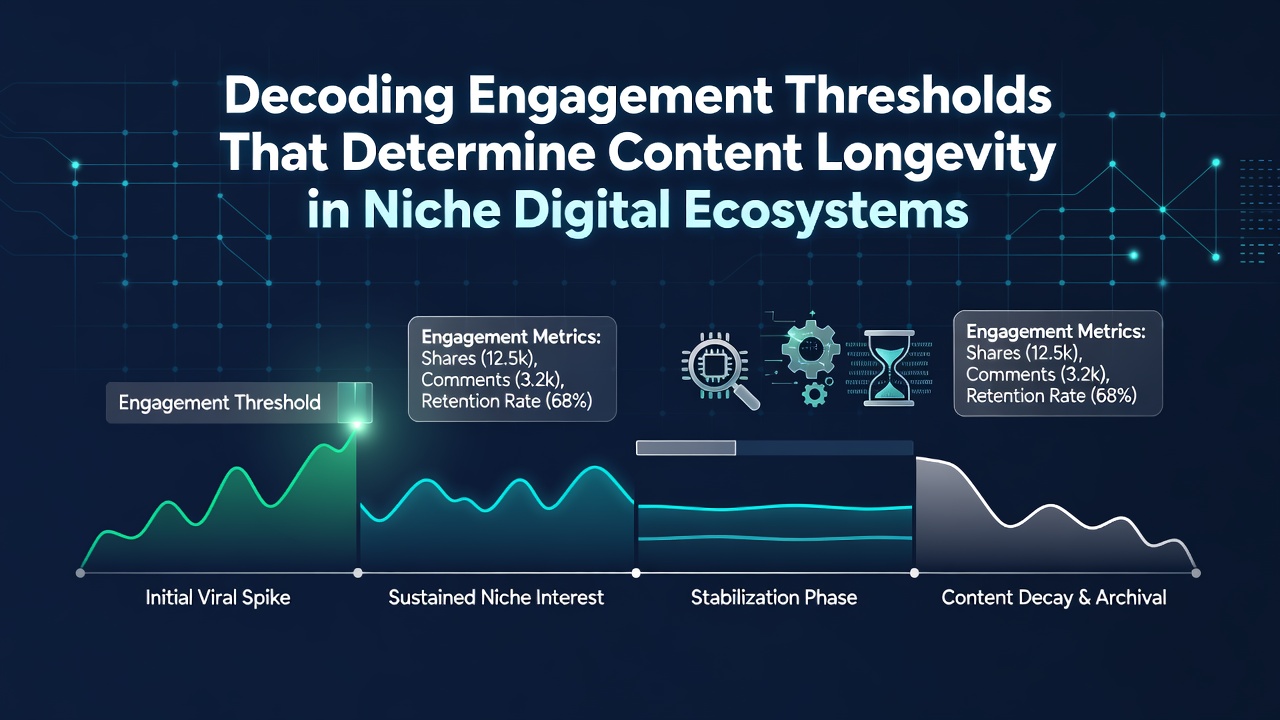
Content longevity in niche digital ecosystems depends on specific engagement thresholds that platforms measure through a combination of views, comments, shares, and dwell time, and these metrics shift based on community size, topic focus, and algorithmic priorities that researchers track across forums, specialized social networks, and community-driven sites. Observers note that smaller ecosystems often require higher relative engagement rates than mainstream platforms because algorithms prioritize signals that indicate sustained interest within tight-knit groups.
Core Metrics That Set Longevity Benchmarks
Studies from academic institutions show that content crosses into longer visibility windows when comment velocity reaches at least three interactions per hundred unique views within the first two hours, while dwell time averages above ninety seconds per visitor, and data collected through platform APIs reveals these patterns hold across hobbyist communities and professional discussion boards alike. Researchers discovered that shares within the originating niche carry more weight than external referrals because they reinforce topic relevance and keep the material circulating among users who already follow related threads.
Platform operators adjust these thresholds periodically, and in September 2026 several mid-sized ecosystems updated their weighting to favor repeat visits over initial clicks, which extended the average lifespan of posts that generated follow-up questions or resource links. Those who study these systems find that reply chains longer than five exchanges tend to push content into recommendation feeds for additional days, whereas isolated reactions fade faster even when total numbers appear comparable.
How Niche Size Influences Threshold Requirements
Smaller communities set tighter engagement bars because limited audience pools mean each interaction represents a larger percentage of active users, and reports from digital research groups indicate that a post needs roughly eight percent comment participation to maintain front-page placement beyond forty-eight hours in groups under five thousand members. Larger niche spaces relax some of these ratios yet still demand consistent cross-posting activity within subtopics to avoid demotion once initial spikes subside.
Regional Variations in Measurement Approaches
European Union digital reports highlight how privacy regulations affect the data platforms can collect for longevity calculations, which leads operators to rely more heavily on on-site signals such as scroll depth and link clicks rather than cross-site tracking, whereas North American platforms continue to incorporate broader referral patterns into their models. Australian research institutions have documented similar differences where local forums emphasize time-of-day engagement patterns tied to work schedules, resulting in distinct thresholds compared with global counterparts.
Algorithmic Signals That Extend or Shorten Visibility
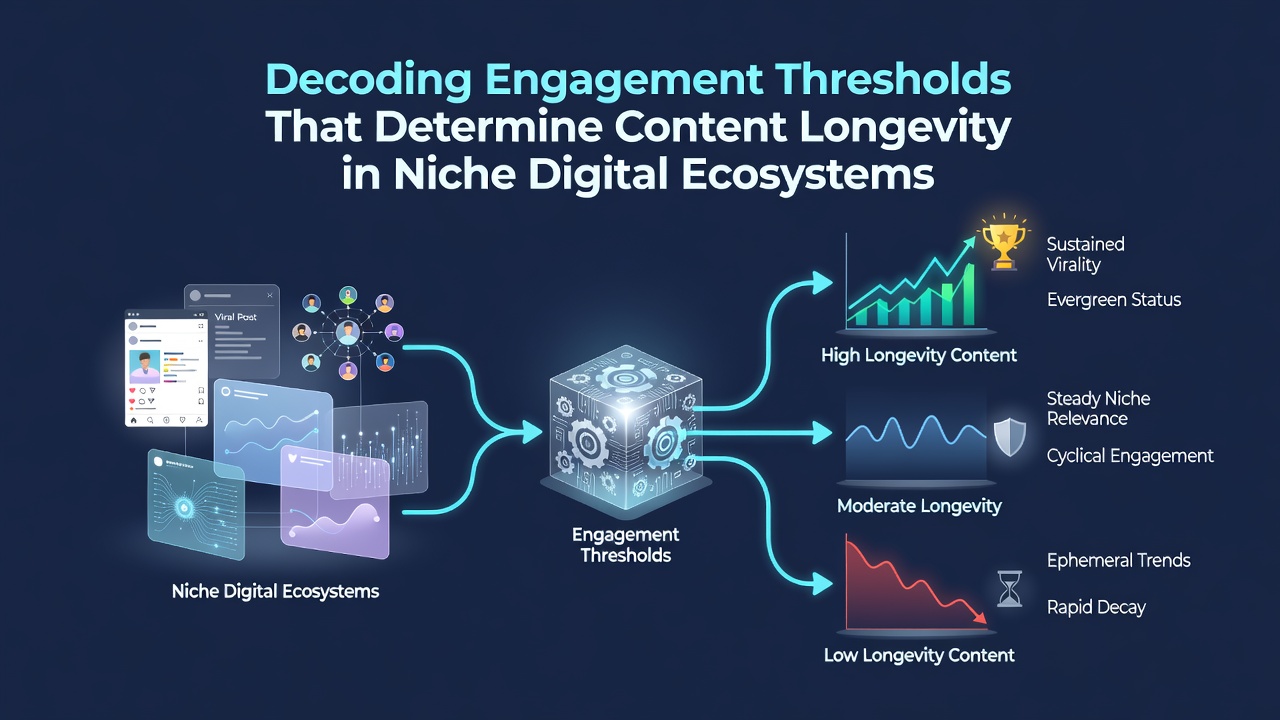
Algorithms evaluate whether early engagement includes substantive contributions such as detailed replies or embedded resources, and content that meets these criteria receives extended distribution while material limited to emoji reactions drops from feeds sooner, according to analyses shared by platform transparency initiatives. Observers note that video content in niche ecosystems requires higher completion rates, often above sixty-five percent, to achieve the same longevity as text posts because playback metrics provide clearer retention signals.
Take one case where experts tracked a technical tutorial series across multiple Discord-adjacent communities and found that posts accumulating at least twelve quote-tweets from verified accounts within the first day maintained visibility for an average of nine days longer than comparable material lacking those signals. Data shows that cross-community reposts function as renewal events when they occur before the original post drops below ten percent of peak engagement velocity.
Tools and Methods for Tracking Thresholds
Developers build custom dashboards that monitor real-time metrics pulled through official APIs, and these tools alert creators when comment rates or dwell times approach known longevity cutoffs documented in industry white papers. Research indicates that combining on-platform analytics with external mention tracking provides a fuller picture because niche content often spreads through private channels before resurfacing in public feeds.
Academic papers published in 2025 examined how machine learning models predict longevity by weighting early signals differently across topic categories, and results demonstrated that educational niches reward slower but steadier engagement curves while entertainment-focused spaces favor rapid initial spikes. Those models continue to evolve as platforms release updated documentation on ranking factors.
Conclusion
Engagement thresholds that govern content longevity emerge from measurable interactions filtered through platform-specific algorithms that adapt to community scale and regulatory environments, and ongoing data collection from September 2026 onward continues to refine these benchmarks across diverse digital spaces. Observers track these patterns through transparent reports and research collaborations that reveal consistent relationships between interaction quality, timing, and sustained visibility without relying on subjective interpretation.